
Summer Forest Sounds — Relax, Sleep & Focus
The sound of a summer forest is both alive and calming—leaves shivering in the breeze, songbirds calling in phrases, a faint insect chorus shimmering in the background, and the breath of wind moving through the canopy. Unlike music with lyrics (which can pull attention) or stark white noise (which can feel fatiguing), forest ambience offers an organic, nuanced sound bed that your mind recognizes as natural and safe. Used well, it can help you unwind, fall asleep, or settle into deep focus for reading and creative work.
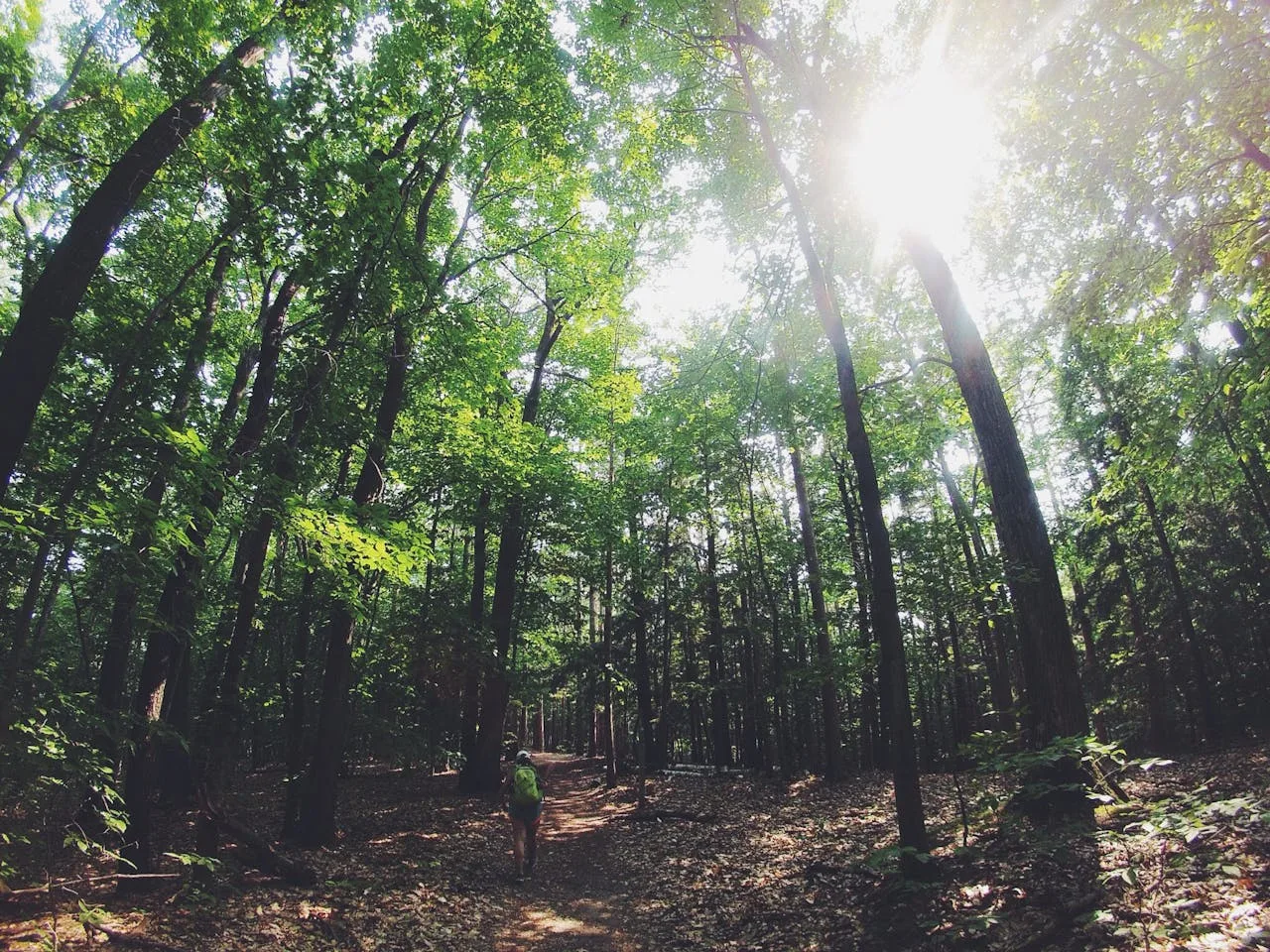
Why Summer Forest Sounds Feel So Restorative
A good forest track balances steadiness with micro-variation. The leaf rustle creates a continuous texture that masks distractions (air vents, distant chatter), while birdsong provides occasional points of interest that keep the ambience from feeling sterile. This natural pacing supports:
- Stress reduction — green environments (even simulated) are linked to lower arousal and calmer breathing patterns.
- Noise masking — leaf noise and insects fill the sound bed so random clatter blends away.
- Focus without fatigue — rich but non-lyrical textures help attention linger without demanding it.
- Sleep onset — when played softly, forest ambience cues safety and “outdoor quiet,” easing rumination.
Compared to rain, summer forest feels lighter and airier; compared to campfire, it’s cooler and brighter—ideal for daytime reading or an afternoon reset.
Elements of the Forest Mix (and How to Balance Them)
Think of a forest ambience as four gentle faders:
-
Wind-in-leaves (foundation)
The steady “shhh” of leaves provides the masking bed. Keep it present but soft enough that you could still whisper comfortably. -
Birdsong (detail & melody)
Choose light, infrequent calls (warblers, finches). Avoid loud, frequent choruses that might pull attention during work or sleep. -
Insects (summer shimmer)
A low, consistent insect layer adds warmth and continuity. Keep it subtle; high, piercing tones can fatigue over time. -
Wildlife (character)
Occasional distant mammal or woodpecker taps add life. For sleep, keep these rare and gentle; for focus, minimize surprises.
Tip: If you want a “sleep-first” mix, reduce birds after the first few minutes and let leaves + insects carry the rest.

Summer Forest for Sleep
To turn forest ambience into a sleep ritual:
- Start 20–30 minutes before bed. Dim lights and switch your phone to Focus or airplane mode.
- Set the volume low. You should hear texture without feeling “sound-filled.”
- Keep birds subtle. Prefer occasional soft calls; avoid constant choruses or sharp insect tones.
- Loop or timer. If you’re sensitive, try a 90-minute timer (one sleep cycle).
- Create context. A cool room, breathable sheets, and a warm bedside lamp amplify the calming effect.
Summer Forest for Focus & Study
A light, steady forest bed supports sustained attention without the pull of melody:
- Low volume — it should blend with the room and fade from conscious notice.
- Minimal surprises — occasional birds are fine; reduce loud calls for long work blocks.
- Time-boxing — try 50/10 or 90/15 (focus/break).
- Visual simplicity — fewer tabs, full-screen reading, and warm desk light.

Healthy Listening Practices
- Protect your ears. Keep playback below conversational loudness, especially if looping for hours.
- Device placement. A small speaker or a phone on a shelf is better than right by the pillow.
- Consistency over intensity. A stable bed at low volume is more restful than loud peaks.
- Gentle transitions. If using timers, fade out softly to avoid abrupt silence.
Related Ambiences
Explore matching moods and see what your moment needs:
- Rain Sounds — smooth, broadband masking for sleep or reading.
Read the guide - Campfire Sounds — cozy crackle for evening unwinding.
Read the guide - Ocean Waves — rhythmic surf cycles that calm and restore.
Read the guide - Storm Sounds — rain, distant thunder, and wind for a cinematic calm.
Read the guide
Final Thoughts
Summer forest sounds capture the best of nature’s quiet energy: steady leaf rustle to soften the room, light birdsong to keep things alive, a gentle insect shimmer for continuity, and the occasional hint of wildlife to remind you you’re outdoors—even when you aren’t. Set the volume low, build a simple ritual around the sound, and let the forest guide you toward calm, sleep, or deep focus—whatever you need today.